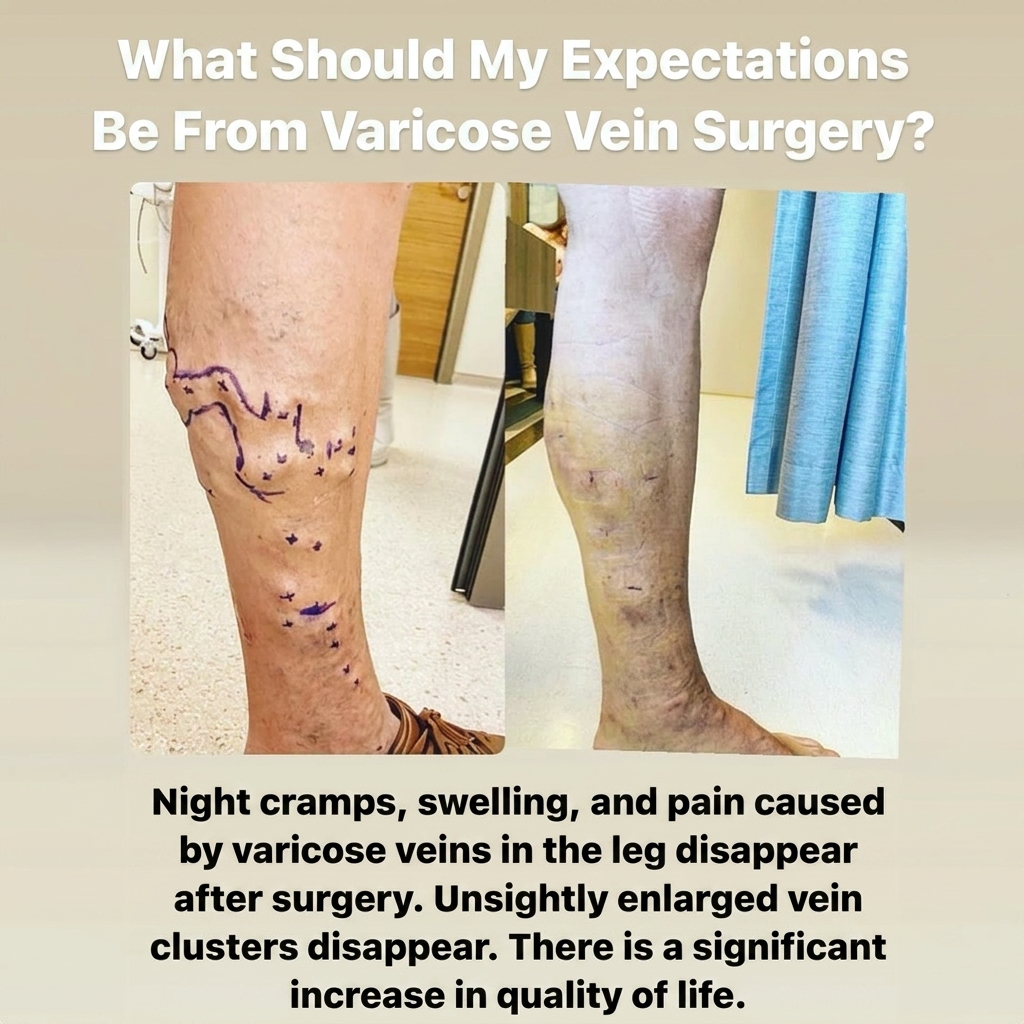
Varicose veins are a condition that occurs when the veins in the legs become enlarged and twisted, which can lead to cosmetic and health problems. There are various methods used to treat varicose veins, and the effectiveness of these methods can vary from person to person.
One treatment method that has become popular in recent years is foam sclerotherapy. Foam sclerotherapy is an important treatment method, especially for patients with advanced varicose vein complaints.
This treatment is generally used to treat veins that cause discomfort in the legs. Foam sclerotherapy is preferred by many patients because it is a minimally invasive method.
Foam treatment is a type of sclerotherapy used to treat varicose veins. Sclerotherapy involves injecting a special substance into the varicose veins to cause them to close. This closure leads to the veins shrinking and disappearing over time.
In foam sclerotherapy, this substance is converted into a foam instead of a liquid. The foam can spread over a wider area inside the vein, thus providing a more effective treatment. The treatment process is usually quick, does not require local anesthesia, and patients can resume their daily activities immediately after treatment.
What is Foam Therapy?
Foam Therapy is a type of sclerotherapy used in the treatment of varicose veins. Sclerotherapy is a treatment method that involves injecting a solution into the varicose veins to block them. However, in foam therapy, this solution — which is normally in liquid form — is turned into a foam.
Before being injected into the vein, the foam is created by mixing a special solution with air. The difference between the foam and the liquid form is that the foam can spread over a larger area. This helps the treated vein close much faster.
Foam therapy is generally preferred for small and medium-sized varicose veins. It can also be used to prevent the recurrence of varicose veins. The advantage of varicose vein foam therapy is that the recovery process after treatment is quite fast. After the procedure, the patient can immediately resume daily activities, and hospitalization is usually not required.
How Is Varicose Vein Foam Therapy Performed?
Before the treatment, varicose veins are examined using ultrasound. This is important to determine how large the veins are and whether they are suitable for treatment. The patient’s overall health condition is also evaluated.
Before starting the treatment, the sclerosing agent to be injected into the varicose veins is turned into a foam.
This process is usually done with a special device. The foam is in a form that allows it to spread much more precisely inside the vein.
The foam is injected into the varicose vein using a fine needle.
Inside the vein, the foam spreads and irritates the vein walls, causing them to close.
This blockage helps the vein disappear over time and restores normal blood flow.
After the treatment, patients can generally resume their daily activities immediately. However, some patients may need to wear compression stockings for a few days after the procedure.
Varicose vein foam therapy provides quick recovery, but the results may vary for each patient. The varicose vein foam therapy process depends on individual characteristics and the condition of the veins. Some patients may recover in just a few sessions, while others may require more treatments.
Side Effects and Possible Risks of Foam Therapy for Varicose Veins
Although varicose vein foam therapy may have possible side effects, it is generally considered a safe treatment method. However, like any medical procedure, it carries some risks and potential side effects.
Fortunately, most of these side effects are mild and usually resolve on their own within a short time. After the procedure, patients may experience mild pain, redness, bruising, or swelling at the injection site.
These are part of the body’s natural healing process and typically disappear within a few days to a few weeks. Some patients may also notice mild itching or temporary skin discoloration in the treated area.
In rare cases, mild headaches, fatigue, or tenderness around the injected vein may occur after treatment. However, these symptoms are usually temporary and do not lead to serious health problems.
Following the clinic’s post-treatment instructions — such as wearing compression stockings for the recommended period and maintaining regular movement — can speed up the healing process.
At the injection site, particularly around the treated vein, mild skin irritation may occur. This is usually temporary and resolves within a few days.
Some patients may feel mild pain or discomfort at the injection site during the treatment.
Temporary skin discoloration in the treated area may also be observed in some patients.
Very rarely, a blood clot may form inside the treated vein.
Phlebitis (vein inflammation) may also develop after foam therapy.
In general, the side effects of varicose vein foam therapy are mild and disappear shortly after treatment. Through the consultation provided by our clinic before treatment, patients can learn about personal risks and possible complications.
How Many Sessions Does Foam Varicose Vein Therapy Take?
The completion time of foam varicose vein therapy depends on the size, number, and response of the varicose veins to treatment. For most patients, treatment can be completed in a few sessions. Small and medium-sized varicose veins can often be treated in a single session, while larger veins may require multiple sessions.
In the first session, foam injections are performed to cover the entire treated area. Improvement is usually observed within a few weeks after treatment. However, for some patients, complete disappearance of varicose veins and the full results may take several weeks or months.
Typically, the interval between each treatment session is 4–6 weeks. This period is determined based on how quickly the patient’s veins heal.
Is Foam Therapy for Varicose Veins Dangerous?
Patients often wonder, “Is foam therapy for varicose veins dangerous?” Foam therapy performed by our specialists in the clinic is completely safe. However, like any treatment, it carries certain risks and possible complications.
During foam therapy, the injected substance may accidentally spread into surrounding tissues or cause a clot within the vein. In addition, the treated veins may become inflamed or infected.
However, these risks can be minimized when the procedure is performed under proper clinical conditions. A detailed examination before treatment ensures that the procedure is carried out safely.
Foam therapy is generally preferred by those seeking a non-surgical solution. For more information on this topic, you can refer to our article titled “What Is Non-Surgical Varicose Vein Treatment?”
Recovery Process After Varicose Vein Foam Therapy
The recovery process after varicose vein foam therapy is usually quick. After the treatment, patients can immediately return to their normal routines.
After treatment, wearing compression stockings may be necessary to ensure proper vein function and prevent swelling. These stockings support the veins and accelerate healing.
Patients are advised to move their legs after the treatment.
However, strenuous exercise and prolonged standing should be avoided.
Mild swelling or bruising may occur in the treated area.
This is temporary and usually disappears within a few weeks.
Post-treatment check-ups should be performed at regular intervals. This is important to monitor the condition of the treated veins and to detect any complications at an early stage.
After varicose vein treatment in Istanbul, the recovery process is quite fast. If you would like to learn more about the return-to-work period after treatment, you can refer to our article titled “How Long After Varicose Vein Treatment Can You Return to Work?”
Varicose Vein Foam Therapy Prices
The cost of varicose vein foam therapy may vary depending on the size of the treated area, the patient’s health condition, and the intensity of the treatment.
Generally, the number of varicose veins and the frequency of treatment sessions are the main factors that influence the price. In addition, it is important to remember that follow-up examinations after the treatment may also incur additional costs.
To obtain accurate information about the cost, it is recommended to consult our clinic before treatment and receive a detailed price estimate.
Keep in mind that prices are directly related not only to the treatment itself but also to the safety and effectiveness of the procedure. Therefore, it is crucial to be well-informed about both pricing and treatment safety before beginning the therapy.
To help prevent the recurrence of varicose veins, lifestyle changes after treatment are also important. To learn more about prevention, you can read our article “Ways to Prevent Varicose Veins.”
Conclusion
Varicose vein foam therapy is a minimally invasive treatment option that plays a significant role in managing varicose veins. Although it is generally a safe method, it may carry certain risks and side effects.
The treatment process is usually fast; however, complete healing of the treated veins may take several weeks. Among the advantages of foam therapy are a quick recovery period, minimal pain, and a high success rate. Still, it is essential to consider the factors that require attention during treatment and the need for follow-up evaluations.
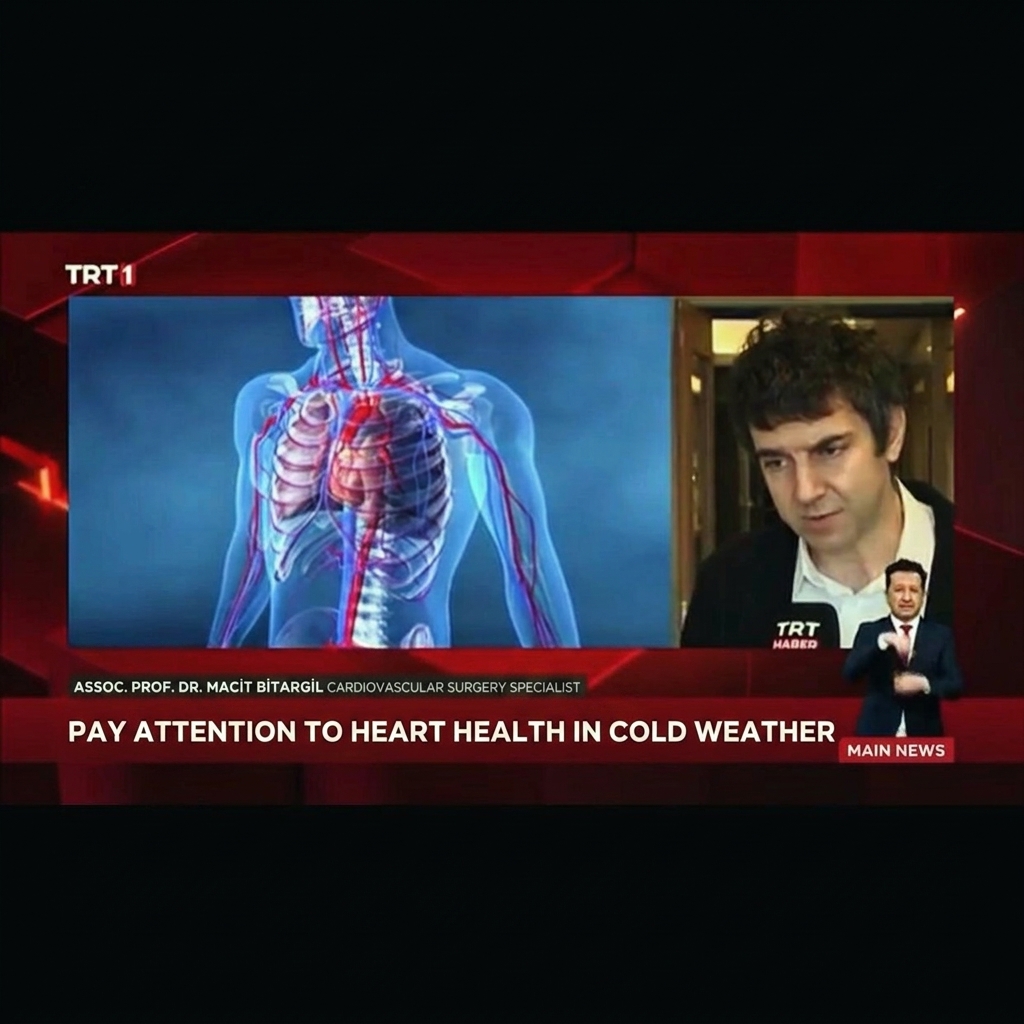
Assoc. Prof. Dr. Macit Bitargil effectively eliminates varicose vein problems through foam therapy. For detailed information and consultation, please contact our clinic.