




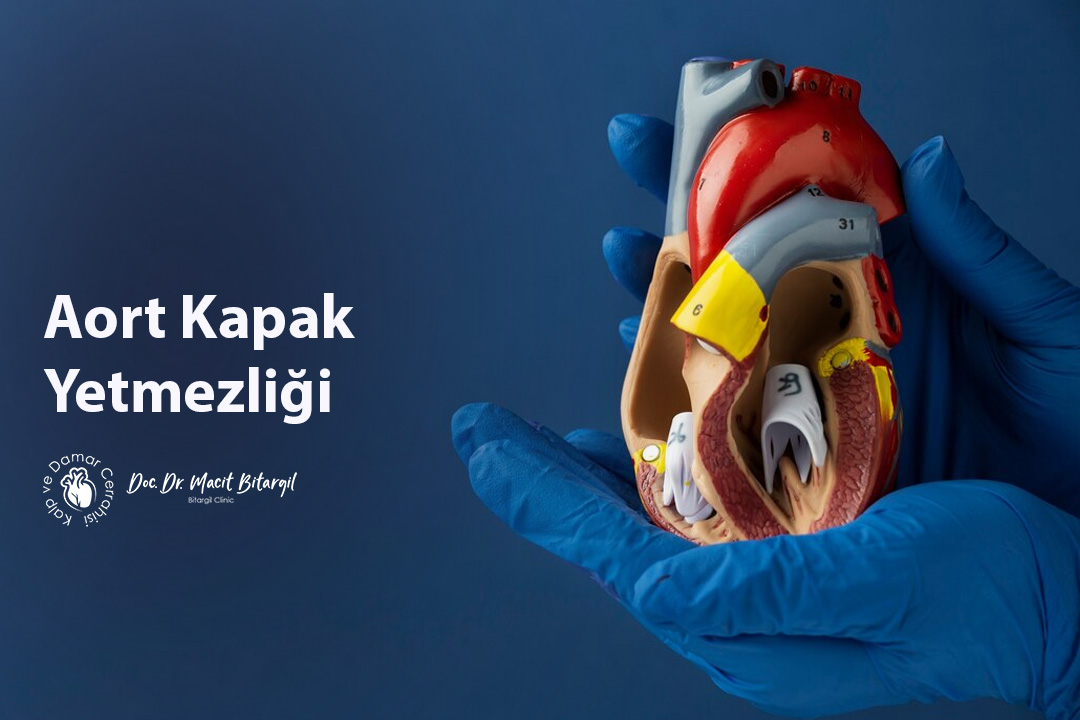
What is the Aortic Valve and Circulatory Cycle?

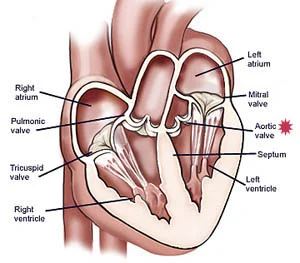
The human heart consists of four chambers and four valves that allow blood to flow in one direction. Blood, used by body tissues and deoxygenated, first enters the right atrium of the heart. It passes through the tricuspid valve, located between the right atrium and ventricle, into the right ventricle. From there, it passes through the pulmonary valve to the pulmonary artery, the main blood vessel leading to the lungs. Blood is reoxygenated in the lungs and reaches the left atrium of the heart via the pulmonary veins. It then passes through the mitral valve to reach the left ventricle, then through the aortic valve to reach the aorta for distribution throughout the body. After circulating throughout the body, the blood returns to the right atrium via the vena cava, thus completing the circulatory cycle.
The valve that regulates blood flow between the left ventricle and the aorta on the left side of the heart is called the aortic valve. Narrowing of the aortic valve due to calcification is called aortic stenosis, while leakage of the valve tissue is called aortic valve insufficiency.
Symptoms:
The most common symptoms observed with aortic valve problems include shortness of breath, fatigue, and chest pain. A distinct murmur is present during cardiac auscultation. Arrhythmias and fainting can also be expected in patients with aortic valve problems. Because they can lead to heart failure and life-threatening risks, a critical threshold for intervention in aortic valve problems should not be exceeded.
Diagnosis of Aortic Valve Disease
Echocardiography is used to diagnose aortic valve disease in addition to a general examination. Echocardiography visualizes the internal structure and functionality of the heart, providing data on heart function, dimensions, and degree of contraction. A decision is made based on the evaluation of the patient’s complaints and the echocardiographic examination results to determine whether valve intervention is necessary.
Causes of Aortic Valve Disease
Acquired aortic stenosis can occur at an early age due to rheumatic fever in childhood or later in life due to aging.
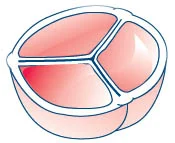
It can occur when the aortic valve, which is normally composed of three leaflets at birth, develops into two leaflets.
In cases of bicuspid aortic valve formation, surgery may also be necessary if stenosis develops due to calcification that occurs with age. Individuals with bicuspid aortic valve also have a risk of developing an aortic aneurysm.
Aortic valve insufficiency occurs when the aortic valve fails to close properly. In this case, some of the blood pumped by the heart backflows into the left ventricle of the heart. This inability of the heart to pump blood fully throughout the body causes fatigue and shortness of breath. Conditions such as deterioration and degeneration of valve function with age, rheumatic fever, congenital anomalies, connective tissue diseases, and chest trauma can cause aortic valve insufficiency.
Aortic Valve Disease Istanbul Treatment Methods
Aortic valve disease can be treated with valve repair and valve replacement. There are different methods used in valve repair and valve replacement procedures for this purpose.
TAVI: Transcatheter Aortic Valve Replacement can be defined as a recent procedure for aortic valve stenosis. A catheter is inserted through the patient’s groin vein. A catheter containing a balloon in the center and a folded artificial valve around it is advanced to the level of the narrowed aortic valve. The procedure is completed by inflating the balloon at the level of the valve, opening the surrounding valve, and placing it inside the old valve.
The balloon is then deflated and withdrawn with the catheter. This is how the new valve is placed. Originally intended for older patients with high surgical risk, the procedure is increasingly being performed in intermediate-risk patients due to advances in technology and medicine.
The key to treating aortic valve disease is timing the surgery appropriately. The determining factors for surgery include the patient’s current symptoms and the extent of critical aortic insufficiency or stenosis. If surgical treatment is not necessary, the patient is regularly monitored. Medication may be used if deemed necessary.
Aortic Valve Repair
This procedure involves replacing supporting tissues, incising and repairing the valve tissue to ensure better closure, or releasing adhered leaflets.
However, valve repair is not always possible. While valve repair is more commonly performed for mitral valves, aortic and pulmonary valves often require replacement.
Aortic Valve Replacement
Valve replacement surgery is a frequently performed procedure for aortic valve disease. The valve to be treated is removed during surgery and replaced with a mechanical or biological valve.
Biological valves are derived from porcine, bovine, or human tissue. While replacement using biological valves does not require the use of blood thinners, repeat surgery may be necessary within 10 to 15 years due to wear and tear on the biological valves. Therefore, it is not a preferred procedure for younger patients.
While mechanical valves have a longer lifespan, they require regular use of blood-thinning medications. Failure to take these medications can lead to complications such as blockage by clots or stroke.
Things to Consider After Aortic Valve Surgery
After aortic valve surgery, a patient may feel irritable, depressed, or stressed. Lifestyle changes should be made to ensure a faster postoperative recovery and to avoid any health problems.
A loss of appetite may occur in the first weeks after surgery. For the first month, it’s important to eat small, frequent meals. In addition to following a heart-healthy diet, plenty of water should be consumed.
For the first two months following surgery, the patient’s movements should be controlled. Otherwise, improper movements can lead to delayed or prevented healing of the sternum, which was cut during surgery.
Reaching for objects above shoulder level should be avoided during the postoperative recovery period. When bending, bend from the knees, not the waist, and use the leg muscles instead of the arms when rising from a seated position.
Stair climbing is permitted one flight per day for the first two weeks after surgery, gradually increasing the number of stairs thereafter. Avoid lifting more than 5 kilograms for at least one month.
Prescribed medications should be taken regularly, and a chest brace should be worn for two months. The hands should be clasped over the front of the brace, especially when coughing and sneezing.
Frequently Asked Questions About Aortic Valve Diseases
What are the Symptoms of Aortic Insufficiency?
The symptoms of aortic insufficiency and the patient’s complaints are crucial in determining the stage of the disease. In first-degree aortic insufficiency, the primary complaint is less pronounced, and an increase in the degree of aortic insufficiency indicates excessive blood backflow. As the left ventricle fatigues and enlarges, its contraction force decreases, a throbbing heartbeat is a common complaint. These symptoms may increase when turning to the left or lying down. Fatigue and weakness may occur as aortic insufficiency progresses. Palpitations, fatigue, shortness of breath, irregular heart rhythms, and a heart murmur are among the symptoms of aortic insufficiency.
How is an Aortic Aneurysm Treated?
The treatment options for aortic aneurysm are determined by the individual patient, based on factors such as the location of the aneurysm, its size, growth rate, and whether it is causing any symptoms. When medication is deemed appropriate, beta-blocker medications may be prescribed. Keeping the patient’s blood pressure under control is crucial for intravascular pressure control. In cases where an aneurysm requires intervention, either endovascular or open surgery may be preferred. Endovascular surgery is generally used for abdominal aortic aneurysms. Open surgery is used for the treatment of more complicated and larger aneurysms.
How is Aortic Valve Stenosis Diagnosed?
Aortic stenosis can be diagnosed incidentally when a murmur is heard during cardiac auscultation during an examination for any reason. Additionally, the diagnosis can be made using aortic diagnostic methods when certain symptoms develop. Electrocardiography, echocardiography, and cardiac catheterization can be used to diagnose aortic valve stenosis. Blood lipids, cholesterol, and lipid profiles can be measured to identify heart disease risk factors and to diagnose heart attacks. Blood sugar and glycosylated hemoglobin levels can also be measured to monitor diabetes.
Does Aortic Valve Insufficiency Progress?
Acute aortic regurgitation is less common than chronic aortic regurgitation, which typically develops and progresses over a longer period of time. Severe acute aortic regurgitation can be difficult to manage. Congestive heart failure and shock can occur if the leakage doesn’t progress throughout the body. In chronic aortic regurgitation, the leakage progresses slowly over time, requiring the heart to adapt, and symptoms typically remain elusive.
Aortic Valve Leak Symptoms
When aortic valve leakage develops, patients may experience various symptoms, including shortness of breath, palpitations, shortness of breath while walking, and difficulty exerting themselves. Furthermore, shortness of breath worsens at night and can awaken patients from sleep. Heart valve leakage is among the health problems that can be treated today using minimally invasive methods. The symptoms of heart valve regurgitation can vary depending on the severity of the valve problem. Furthermore, the patient’s age and underlying medical conditions can make the symptoms of heart valve regurgitation more pronounced.