





Coronary bypass surgery is a surgical procedure performed to resolve the problem when the arteries supplying your heart become blocked or narrowed, preventing adequate blood flow to the heart. When there is blockage or narrowing in the coronary arteries of the heart, sufficient oxygenated blood does not reach the heart muscle, which can lead to heart attack, heart failure, and other heart problems. Coronary bypass surgery aims to provide blood flow to the heart through alternative routes. This surgery is one of the most common treatment methods for heart disease.
The goal of coronary bypass surgery is to restore blood flow by using another vessel in place of the blocked vessels and to meet the heart’s oxygen needs. Vessels taken from the legs or chest wall are usually used to bypass the blocked coronary artery. The surgery is used to treat heart vessel diseases and can improve patients’ quality of life.

Current research shows that coronary artery disease is present in 4.1% of individuals aged 50-59, 7.2% of individuals aged 60-75, and 40% of individuals over the age of 75. At our clinic, our team of specialists successfully performs surgical operations for the diagnosis and treatment of such cases.
Coronary Bypass Surgery Istanbul
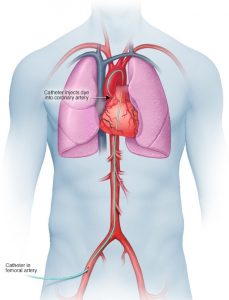
As a result, the patient may develop a myocardial infarction (heart attack), which manifests itself as chest pain.
When the coronary arteries, which supply the heart with blood, become narrowed or blocked for any reason, the heart cannot be adequately nourished and cannot function normally.
The surgical procedure performed due to the blockage of the coronary arteries, i.e., the arteries that supply the heart, is called coronary bypass surgery. During coronary bypass surgery, the patient’s own arteries, such as the chest artery, forearm artery, or leg vein, are used in the blocked area to restore blood flow to the heart.
The vessels supplied from various parts of the body during bypass do not cause loss of function where they are taken from.
What is Coronary Bypass?
Coronary bypass is the bypassing of the blockage when the vessels in the heart are blocked so that the heart can receive oxygenated blood. In this procedure, healthy vessels, usually taken from the legs or chest wall, are used to bypass the blocked coronary vessels and restore blood flow to the heart. This allows the heart muscle to continue receiving oxygenated blood and reduces the risk of heart attack. Coronary bypass is one of the correct treatment methods for heart disease.
- Since the blocked arteries are the arteries that supply the heart, the obstruction of blood flow in these arteries prevents the heart muscle from receiving oxygen and nutrients.
- The heart muscle weakens and conditions such as heart failure may develop.
- Coronary bypass improves the heart’s function by removing these blockages.
However, coronary bypass is only performed in cases requiring surgical intervention and is generally preferred for patients who do not respond to other treatment methods. You can find detailed information about this procedure on the What is Coronary Bypass? page.
What is a Coronary Artery Bypass Graft?
A coronary artery bypass graft is a new artery that replaces a blocked coronary artery. This artery may be a healthy artery taken from your legs, chest wall, or sometimes your arms.
The bypass graft allows blood to flow around blocked or narrowed coronary arteries, ensuring that the heart muscle continues to receive oxygen. The coronary artery bypass graft is an important component for the success of the surgery because it allows heart function to return to normal.
The coronary artery bypass graft is taken from the patient’s healthy vessels and implanted. The lifespan of the graft may vary depending on the type of vessel used and the patient’s overall health. Grafts can generally function for many years, but it is important for patients to pay attention to their lifestyle and not forget to have regular check-ups.
Risks of Coronary Bypass Surgery
Although there are risks associated with coronary bypass surgery, it is generally a safe procedure. These risks may vary depending on factors such as the patient’s age, overall health, and the severity of the blockage.
- Infection of the surgical wound is possible after surgery. This risk is higher in patients with weakened immune systems.
- Bleeding may occur during the surgical procedure. Furthermore, the risk of bleeding may continue after surgery.
- There may be a risk of heart attack during bypass surgery, but this is generally very rare.
- Blood clots may form during surgery, and these clots can travel to the lungs or brain, causing embolism.
- Damage to nerves during surgery may lead to loss of sensation, particularly in the arms and legs.
Risks vary for each patient and are thoroughly evaluated by our Clinic. Before coronary bypass surgery, our Clinic assesses the patient’s overall health and takes measures to minimize these risks.
How is Coronary Bypass Surgery Performed?
Coronary bypass surgery is a surgical procedure performed to remove blockages in the heart arteries. It is usually preferred in cases where blood flow is restricted due to heart artery disease and the heart muscle is not receiving enough oxygen. The surgery is performed under general anesthesia and can take several hours, depending on the patient’s condition.
The surgeon first accesses the heart by opening the breastbone (sternum). Then, a new pathway is created around the blocked artery using a healthy vessel from the patient’s body (usually the saphenous vein taken from the legs or the internal mammary artery taken from the chest wall). This new pathway regulates blood flow, supplying the heart with nutrients and helping oxygen reach the heart muscle.
- In some cases, surgeons perform the procedure without stopping the heart during surgery.
- This technique is called “beating heart bypass” and can be advantageous, especially for some high-risk patients.
- However, in many cases, the heart is temporarily stopped, and the patient’s blood circulation is maintained through a heart-lung machine.
- This machine keeps the blood oxygenated and pumped throughout the body, facilitating the surgeon’s work.
- After the surgery is completed, the heart is restarted, and the sternum is closed with sutures according to the patient’s condition.
Following bypass surgery, the patient is usually admitted to the intensive care unit and closely monitored for several days. Heart rate, blood pressure, and oxygen levels are regularly checked.
The recovery process may vary depending on the patient’s overall health, but long-term successful results can be achieved with the follow-up examinations and lifestyle changes recommended by Associate Professor Macit Bitargil at our clinic.
How Long Does Coronary Bypass Surgery Take?
The duration of coronary bypass surgery may vary depending on the patient’s condition, the degree of blockage, and the number of bypasses performed. In general, this operation can take between 3 and 6 hours. However, in more complex cases or when more than one bypass is required, this time may be longer.
- The surgery time may be longer when multiple vessels need to be bypassed instead of a single vessel.
- Additional health problems such as diabetes, hypertension, or kidney disease can increase the duration and risks of the surgery.
- Surgeries performed using a heart-lung machine may generally take longer, but in some cases, they may be safer.
After surgery, patients are usually kept under observation in the hospital for a few days and can return to their normal lives within one to two months, depending on their condition. However, the full recovery process may vary depending on individual factors.
Complications Following Coronary Bypass Surgery
Complications may occur following coronary bypass surgery. However, with modern medical capabilities, these complications have been minimized. Nevertheless, in some cases, the following complications may occur.
- Infection may develop at the surgical site. However, this can be controlled with antibiotic treatment.
- Bleeding may occur after surgery. This situation can usually be resolved with medical interventions.
- In some patients, wound healing may be difficult, leading to a prolonged healing process.
- Irregularities in heart rhythm may be seen after surgery. This condition is usually temporary and can be controlled with treatment.
- In rare cases, especially in elderly patients, neurological problems may be seen. This is usually a temporary condition.
The preoperative preparation process and postoperative recovery period are crucial for patient health. For detailed information, please review our article on Before and After Open Heart Surgery.
Stress is one of the factors that directly affects heart health and should be considered during the postoperative period. For more information on this topic, please visit our Coronary Heart Disease and Stress page.
How Long Does a Coronary Bypass Graft Last?
The lifespan of the vessels used in coronary bypass surgery can vary depending on many factors. The type of graft used, the patient’s overall health, and lifestyle are important factors that directly affect the durability of the vessels.
The internal mammary artery (IMA), taken from the chest wall, is one of the most preferred vessels for bypass. This vessel has a high success rate in the long term and can maintain its function for 10-15 years. In some patients, this period can even reach 20 years. The most important reason for this is that the internal mammary artery is naturally more resistant to blockage.
The saphenous vein, taken from the legs, is another commonly used graft type. However, compared to arteries, it carries a higher risk of early narrowing and blockage, so its lifespan generally ranges from 5 to 10 years.
- Smoking can cause early occlusion of grafts by narrowing the vessels.
- Excessive alcohol consumption can negatively affect heart and vascular health, reducing the durability of grafts.
- High cholesterol and poor nutrition can cause plaque formation in the walls of arteries, blocking the vessels.
- Hypertension (high blood pressure) can damage the vessel wall, causing the graft to age prematurely.
- Diabetes can increase vascular stiffness, leading to graft narrowing.
- A sedentary lifestyle can negatively affect blood circulation, putting vascular health at risk.
After bypass surgery, patients must exercise regularly and eat a balanced diet to ensure that the vessels remain healthy and long-lasting. In addition, regular cardiological check-ups are very important in order to monitor the functioning of the grafts and detect any potential problems early on.
There may be special circumstances for diabetic patients who have undergone coronary bypass surgery. The article Are Bypass Patients with Diabetes Lucky? may provide insight on this topic.
How Long is the Recovery Process After Bypass Surgery?
After coronary bypass surgery, once the patient is out of intensive care and the ventilator is removed, exercises should be started with the help of a physiotherapist to expel the phlegm that has accumulated in the bronchi during surgery. Under normal circumstances, patients stay in the hospital for 4 to 7 days after coronary bypass surgery. The decision to discharge the patient is made based on an evaluation at the end of this period.
During the check-up performed one week after coronary bypass surgery, the patient’s general health status is evaluated. Their complaints are examined, and if necessary, their medication regimen is adjusted.
If the patient has chronic conditions such as obesity, diabetes, or hypertension, a comprehensive evaluation is performed.
After coronary bypass surgery, the patient may be required to wear compression stockings. Although patients are advised to stay at home during the early recovery period, it is important that they avoid remaining bedridden and move around as approved by their doctor.
Patients can resume their normal lives as early as one month after coronary bypass surgery. During this period, patients may encounter problems such as not being able to drive or turn sideways. Full recovery usually takes about 6 months.
The patient’s full recovery occurs with the healing of the bone and rib cage that were cut during the surgery. After this period, patients can resume their normal daily and work lives without interruption.
One of the main reasons for needing coronary bypass surgery is heart artery blockages. To learn about the symptoms of this condition, please see our content on Paying Attention to the First Signs of Heart Artery Blockage.
What Should Patients Pay Attention to After Bypass Surgery?
It is very important for patients to make certain lifestyle changes after coronary bypass surgery. After the surgery, many patients realize the seriousness of the coronary bypass operation and the disease they have undergone. As a result, they become more careful about following their doctor’s recommendations.
The most important thing to pay attention to after coronary bypass surgery is that if the patient smokes, they must quit this habit completely. They should avoid strenuous sports activities, pay attention to their sleep schedule, and if the patient is overweight, they should control their weight with a diet prescribed by their doctor.
After surgery, the patient should participate in daily life as much as possible, within the limits permitted by their doctor. They should take the medications prescribed by their doctor regularly and follow a healthy diet.
Coronary bypass surgery can cause psychological trauma in some patients. For patients experiencing psychological trauma, regular rehabilitation sessions can help achieve the desired results in a short period of time.
Sudden changes in a person’s pulse can cause heart problems, so it is important to avoid weight-bearing or very intense and dangerous combat sports.
Swimming is a sport that exercises all the muscles in the body and also allows for breathing exercises, so it can be preferred after coronary bypass surgery. In addition, it is important to ensure that doctor’s appointments are not missed after surgery and that overall health is maintained.
Nutrition and exercise habits are very important for a healthy life after surgery. We strongly recommend that you take a look at our content on Heart Health and Exercise and Heart Health and Nutrition.
Frequently Asked Questions About Coronary Bypass Surgery
How is Coronary Artery Bypass Surgery Performed?
The surgical treatment of coronary artery disease is performed by opening the chest cavity. In classic surgery, the chest is opened, and the heart and lungs are connected to a heart-lung machine to bypass the heart and lungs. Graft vessels prepared from the leg, chest, or arm are sutured onto the patient’s own artery to bypass the blocked artery on the heart, allowing blood to flow through the newly grafted vessels instead of the blocked artery and supplying the heart. The heart and lungs are disconnected from the heart-lung machine, and the surgery is completed.
What is Coronary Artery Bypass Graft Surgery?
During coronary artery bypass graft surgery, which is used to treat coronary artery disease, the heart is temporarily stopped so that grafts can be sutured to the coronary arteries. Tubes are placed in the heart to pump blood to the body. One end of the vessel is sutured to a small opening made in the aorta, and the other end is sutured to a small opening in the coronary artery just below the blockage, completing the coronary artery bypass graft procedure. Depending on the number and location of blockages, more than one graft may be needed. The heart then starts beating on its own again, or a mild electric shock may be used to restart it.
How Long Can a Person Who Has Had Bypass Surgery Live?
Coronary bypass surgery, along with the elimination of known risk factors for the disease, significantly slows down the disease, even if it does not stop it. As a result, regardless of the patient’s age, it is possible for them to live comfortably without heart problems for 20-25 years or even longer. Of course, factors such as the individual’s overall health status, adherence to the doctor’s recommendations after surgery, and whether they have developed healthy lifestyle habits are also important factors to consider.
How Long Does Coronary Bypass Surgery Take?
The duration of coronary bypass surgery may vary for each patient depending on factors such as the method used to perform the surgery, the patient’s age, general health, and whether they have any other heart conditions. Coronary artery bypass surgery takes an average of 2 to 4 hours. Surgeries performed using minimally invasive surgical procedures and without stopping the heart are completed in an average of 1 to 3 hours. Coronary bypass surgeries performed without using a heart-lung machine and without stopping the heart have a shorter recovery time. In addition, the risk of surgery is lower.
What is a Coronary Bypass?
The coronary artery is the artery that supplies the heart with blood. Each time the heart contracts, part of the blood is sent to the lungs to be oxygenated, while the other part is pumped into the aorta, the main artery leaving the heart. The aorta branches off from the left ventricle and distributes oxygenated blood throughout the body. The coronary artery, the first branch of the aorta, supplies the heart itself. The right and left coronary arteries, which are responsible for supplying the heart, are 1 to 3 mm in diameter. Blockage or narrowing of the coronary arteries prevents the heart from being adequately supplied and performing its normal functions.
Result
Coronary bypass surgery plays an important role in the treatment of heart disease. This surgical procedure regulates blood flow and improves heart function by replacing blocked arteries with alternative vessels. When the surgery is performed successfully, patients’ quality of life improves significantly and serious complications such as heart attacks are prevented.
However, as with any surgical procedure, coronary bypass surgery carries certain risks. Therefore, patients must be carefully monitored before and after surgery and pay attention to their lifestyle. With early diagnosis and appropriate treatment, coronary bypass surgery is a safe method used in the treatment of heart disease.
Thanks to the successful coronary bypass surgeries performed by Associate Professor Dr. Macit Bitargil, many of our patients have regained their health and started their lives anew. If you would like to be one of these individuals, you can contact our clinic.