





An aortic aneurysm is a condition that occurs when the aorta, the largest artery carrying oxygenated blood from the heart’s left ventricle to the body, dilates due to weakening of its walls. Because the aorta is one of the body’s most important arteries, the development of an aneurysm can pose life-threatening risks.
An aortic aneurysm usually begins with a weakness in the vessel wall, and over time, this area expands, forming a balloon-like structure. This expansion can prevent the aorta from functioning normally and may lead to rupture of the vessel wall.
An aortic aneurysm may be silent and asymptomatic at first, but as the aneurysm grows, the patient may begin to experience symptoms such as pain and shortness of breath. If a person has this disease and is not treated in time, the rupture of the aneurysm can lead to serious complications and result in sudden death.
However, if diagnosed early and treated appropriately, the growth of the aneurysm can be controlled and the risks reduced. Therefore, the treatment of aortic aneurysms is of great importance.
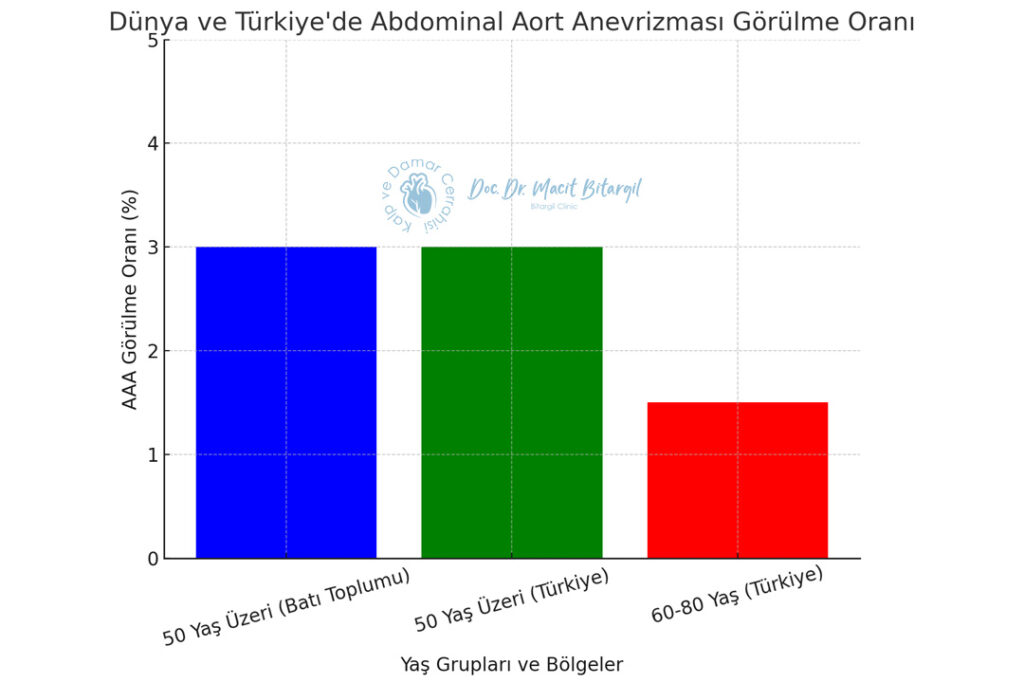
Current research indicates that individuals aged 60-80 are at risk for Abdominal Aortic Aneurysm (AAA). The incidence rate of AAA in this age group is 1.5%, and delays in diagnosis and treatment can lead to serious health risks. At our clinic, we successfully diagnose AAA and perform surgical interventions with our team of specialists.
What is the Aorta?
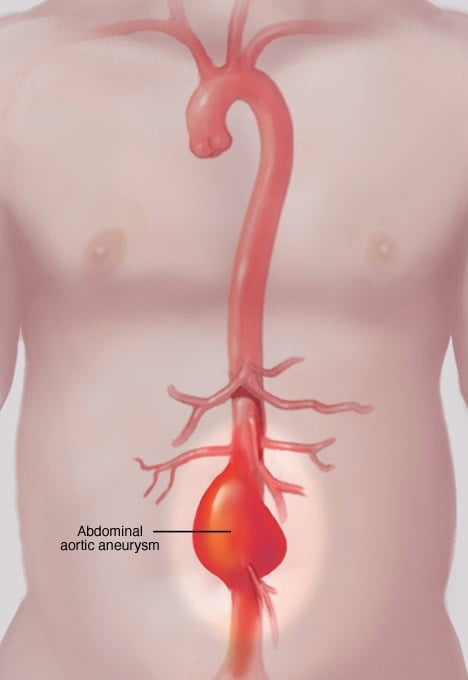
The aorta is the largest artery in the body. Blood from the heart is distributed throughout the body via the aorta. The aorta, which originates from the left ventricle of the heart, ensures that oxygenated blood from the lungs is pumped throughout the body via the heart. After leaving the heart, the aorta first supplies the coronary arteries that feed the heart. Continuing upward, the aorta supplies the main arteries that feed the brain and arms, then curves downward and supplies branches that feed the internal organs. At the level of the navel, it splits into two branches that supply the legs.
The aorta is roughly divided into two main sections: the thoracic aorta and the abdominal aorta. The section starting from the root of the heart is the ascending aorta. The transverse aorta is the region where the brain and arm arteries emerge. The descending aorta supplies the rest of the body. Part of the descending aorta, the transverse aorta, and the ascending aorta form the thoracic aorta. Below the diaphragm, the vessel is referred to as the abdominal aorta.
The diameter of the aorta as it exits the heart is approximately 2.5 cm. An average of 5 liters of blood passes through the aorta per minute.
What is an Aortic Aneurysm?

An aortic aneurysm is a condition that occurs when the wall of the aorta weakens, causing the vessel wall to expand. The aorta is the largest blood vessel that carries blood from the heart to the body and ensures that oxygenated blood is delivered to all organs in the body.
This vessel can be thought of as a “tube,” but a weakening or weak area in the vessel wall begins to expand over time. This expansion is called an aortic aneurysm. If this expansion continues, the risk of the vessel wall rupturing increases, and this rupture can be fatal.
Aortic aneurysms are more common in individuals aged 40 and older, and most often have no symptoms. However, an aneurysm that progresses and grows over time can manifest itself with various symptoms.
The most prominent symptoms may include chest or abdominal pain, back pain, shortness of breath, and difficulty swallowing. These symptoms may vary depending on the size and location of the aneurysm.
Since aortic aneurysms carry a risk of rupture over time, early diagnosis is vital. You can find detailed information on this topic in our article titled What is an Aortic Aneurysm?
What Causes an Aortic Aneurysm?

There are several factors that cause aortic aneurysms. These factors include genetic predisposition, lifestyle, and current health status.
High Blood Pressure (Hypertension)
High blood pressure puts excessive pressure on the aortic walls, and this pressure can weaken the vessel walls over time. Prolonged high blood pressure can cause the vessel walls to lose their elasticity, ultimately leading to the development of an aortic aneurysm.
Atherosclerosis (Hardening of the Arteries)
Cholesterol and fat deposits that accumulate inside the arteries harden the vessel walls. This hardening causes the arteries to lose their elasticity and expand. Atherosclerosis is one of the most important factors contributing to aortic aneurysms.
Peripheral vascular diseases are among other vascular problems that can occur alongside aneurysms. For detailed information, please read our content on Peripheral Arterial Diseases.
Genetic Factors
Individuals with a family history of aortic aneurysm have a higher risk of developing this disease due to genetic predisposition. Family ties can contribute to weak blood vessel structure and thus predispose individuals to aneurysm formation.
Smoking
Smoking is a habit that negatively affects vascular health. Cigarettes cause blood vessels to constrict and weaken, which increases the risk of aortic aneurysm formation.
Age
As we age, our blood vessels naturally weaken and lose elasticity. This is another factor that increases the risk of aortic aneurysm.
The combination of these factors can lead to the development of an aortic aneurysm. Conditions such as high blood pressure, smoking, and high cholesterol can contribute to the progression of this disease if left untreated.
Symptoms of an Aortic Aneurysm
Aortic aneurysm symptoms may not be apparent at first. However, as the aneurysm grows, the artery wall stretches and bulges. In this case, some patients experience various symptoms.
- An aortic aneurysm can cause sharp or throbbing pain in the chest or abdominal area.
- This pain usually appears as the aneurysm grows and may increase in intensity over time.
- The enlargement of the aorta can also cause pain in the back. This pain may vary depending on the patient’s position and the size of the aneurysm.
- An aortic aneurysm can cause difficulty breathing by putting pressure on the heart and lungs.
- When located in the abdominal region, an aortic aneurysm can press on the esophagus, causing difficulty swallowing.
- An aortic aneurysm can impede blood flow and cause swelling and pain in the legs.
These symptoms often make life difficult for patients. At the same time, symptoms may develop suddenly in some patients and require urgent intervention. If you experience these symptoms, you can visit our clinic for a detailed examination.
Aortic aneurysms are particularly common in the abdominal region and can progress insidiously. For more information about the symptoms of this condition, visit our Abdominal Aortic Aneurysm Symptoms page.
What Are the Types of Aortic Aneurysms?
There are three types of aneurysms based on their location in the aorta: thoracic, abdominal, and thoracoabdominal.
Thoracic Aortic Aneurysm: An aortic aneurysm that develops in the chest is called a thoracic aortic aneurysm. Many people with a thoracic aortic aneurysm may not experience any symptoms. It may be detected incidentally during routine check-ups.
In some patients, symptoms such as back pain, cough, hoarseness, chest pain, and shortness of breath may occur depending on the location of the aneurysm. Thoracic aortic aneurysms are also classified according to their location within the chest.
- Aortic root aneurysm: The aortic root is located where the aorta connects to the heart. It contains the aortic valve, which prevents blood from flowing back into the heart, and openings to the coronary arteries that supply oxygen-rich blood to the heart. An aortic root aneurysm can lead to a dissection or tear in the aorta. It can also damage the heart’s aortic valve. This is especially true in people with Marfan syndrome or other genetic connective tissue disorders that weaken the aorta.
- Ascending aortic aneurysm: The ascending aorta is the part of the aorta that extends upward from the aortic root to the curved part of the aorta. It includes dilations that form in this vessel.
- Aortic arch aneurysm: The aortic arch is the curved portion of the aorta. It contains connections to arteries that supply oxygen-rich blood to the upper body, including the arms, brain, and neck. This includes ballooning in this artery.
- Descending aorta aneurysm: The descending thoracic aorta begins below the aortic arch and extends downward toward the abdomen. Several branches extend from this section of the aorta to supply blood to the organs, lymph nodes, and tissues in the torso. A descending thoracic aorta aneurysm can cause back pain. It includes bulges that develop in this artery.
Abdominal Aortic Aneurysm: An aneurysm that develops below the chest is called an abdominal aortic aneurysm. These are more common than thoracic aortic aneurysms and are more frequently seen in men than in women.
Small abdominal aortic aneurysms can grow considerably over time without causing symptoms. As the aneurysm grows, the risk of rupture also increases over time. It may manifest as a palpable, pulsatile mass in the abdomen. It can cause abdominal and back pain. In some patients, however, it may not cause any symptoms until the vessel ruptures.
Thoracoabdominal Aortic Aneurysm: A thoracoabdominal aortic aneurysm extends from the thoracic portion to the abdominal portion of the aorta.
Because this type of aneurysm passes through the portions of the aorta that connect to the arteries supplying blood to the liver, kidneys, intestines, and spine, repairing it can be more complex than other types.
Different treatment methods may be applied depending on the location of the aneurysm.
Surgical intervention may be necessary, especially if aortic valve disease is also present.
When Is an Aortic Aneurysm Dangerous?
An aortic aneurysm can pose a serious threat even when small, but the risk generally increases as the aneurysm grows and the vessel wall weakens. An aortic aneurysm is more likely to become dangerous in the following situations.
- Size of the Aneurysm
- Aortic Rupture
- The Patient’s General Condition
Small aneurysms can usually be monitored. However, as the aneurysm grows, pressure on the artery wall increases and the risk of rupture arises. Rupture is a complication that can result in sudden death.
An aortic aneurysm can rupture when the vessel wall is completely weakened. In this case, severe internal bleeding occurs, requiring urgent intervention. Rupture is the most dangerous stage of an aneurysm.
Age, heart failure, and other existing health problems can affect whether an aneurysm is dangerous. While the risk of aneurysm growth is lower in young individuals, this risk may increase in older individuals.
Considering these symptoms, it is clear that aortic aneurysms must be treated in a timely manner. Early intervention can greatly reduce the dangers of this disease.
Can an Aortic Aneurysm Heal?
Can an aortic aneurysm heal? This is a question many people wonder about. An aortic aneurysm is generally a condition that does not heal on its own. In the early stages, small aneurysms can be monitored, but large aneurysms require surgical intervention. If an aneurysm has started to grow, it is highly unlikely that it will resolve on its own without treatment.
If an aortic aneurysm is not treated, the weakening of the artery wall continues and the aneurysm continues to grow. In this case, the risk of rupture increases and the patient’s life may be in danger. Early diagnosis and treatment can prevent the aneurysm from growing and save the patient’s life.
Aortic Aneurysm Treatment
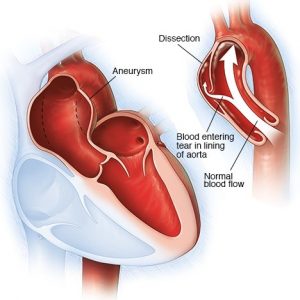
Aneurysm treatment is determined based on the location of the aneurysm, its size, growth rate, and whether it causes symptoms in the patient. Small aneurysms can be treated without intervention, while large aneurysms may require surgical intervention.
Beta blocker medications are prescribed for patients who are suitable for drug therapy. It is very important for the patient to quit smoking. Blood pressure must be kept under control, as vascular pressure is very important in aneurysms.
If intervention is necessary, two different methods can be used:
Endovascular Method: Under local anesthesia, 2 to 3 cm incisions are made in the artery area and the intervention is performed inside the vessel. The procedure, in which the aneurysm is closed with a stent, is particularly preferred in abdominal aortic aneurysms.
Open Surgery Method: This method is performed under general anesthesia and is used for more complex and larger aneurysms. During the procedure, the dilated vessel structure is removed and replaced with a stent. The aim is to completely remove the diseased aneurysm area and ensure continuity by replacing it with an artificial vessel.
Aortic Aneurysm Surgery
Surgical intervention may be an unavoidable option for some patients in the treatment of aortic aneurysms. This situation is evaluated when the aneurysm reaches a certain size, when there is a high risk of rupture or dissection, or when the patient has severe symptoms.
Aortic aneurysm surgery is generally performed using two main methods: open surgery and endovascular surgery (EVAR). The method most suitable for the patient is determined by considering the location and size of the aneurysm and the patient’s overall health.
In open surgery, a large incision is made in the chest or abdomen to remove the damaged section of the aorta and replace it with an artificial graft. This method is recommended especially for younger patients in good general health. However, the recovery process may be longer and may require intensive care support.
The endovascular surgical method is a less invasive option, involving the insertion of a stent graft into the aneurysmal area via a catheter inserted into a blood vessel in the groin area. This method is preferred, especially for older patients who cannot tolerate open surgery. The hospital stay is shorter, and the recovery process is faster. However, it may not be suitable for every patient and requires regular follow-up.
Aortic Aneurysm Surgery Success Rate
The success rate of aortic aneurysm surgeries may vary depending on the patient’s age, general health, timing of the surgery, and the surgical method chosen.
Research shows that the success rate is 75%.
The success rate is quite high in aneurysms that are diagnosed early and treated with the appropriate method. Results are generally successful, especially in planned surgeries, as risks can be controlled.
While open surgery has a high long-term success rate, the recovery process can take longer. Endovascular surgery, on the other hand, is less invasive, allowing patients to return to their daily lives more quickly. However, it requires regular follow-up to ensure the graft remains in place and no complications develop in the long term.
The success rate of surgeries performed at our clinic is quite high thanks to the expertise of Associate Professor Dr. Macit Bitargil.

Complications Following Aortic Aneurysm Surgery
As with any surgical procedure, complications may arise following aortic aneurysm surgery. These complications may vary depending on the patient’s overall health, the type of surgery, and the post-operative care process.
- In surgeries performed using open surgical methods, there is a risk of infection due to large incision areas.
- The risk of bleeding after surgery is higher, especially in open surgical procedures. However, thanks to modern surgical techniques, this is rare.
- Damage to vascular structures may occur during or after surgery.
- Immobility after surgery can lead to blood clots. To prevent this, early mobilization and anticoagulant medications are recommended for patients.
Patient follow-up during the postoperative period is crucial to minimize all these risks. Regular check-ups at our clinic, lifestyle changes, and medication can ensure the best management of the postoperative process.
Precautions to Take After Aortic Aneurysm Treatment
After aortic aneurysm treatment, it is important to take the medications prescribed by your doctor regularly, get adequate and quality sleep, eat a balanced diet, maintain weight control, and avoid strenuous exercise.
Frequently Asked Questions About Aortic Aneurysm
What Are the Symptoms of an Aortic Aneurysm?
An aortic aneurysm is a health problem that can grow over time and usually does not cause any symptoms. Symptoms of an aortic aneurysm include back pain, hoarseness, coughing, chest pain, lower back pain, abdominal pain, shortness of breath, and a palpable mass in the abdominal area with a pulsating sensation. When an aneurysm ruptures, the patient experiences sudden and severe pain. In this case, loss of consciousness and shock may occur within a short period of time, making immediate medical intervention crucial.
How is an Aortic Aneurysm Treated?
The methods that can be used to treat an aortic aneurysm are determined based on factors specific to the patient, such as the location, size, growth rate, and whether or not the aneurysm causes any symptoms. When drug therapy is deemed appropriate, beta blocker medications may be prescribed. Controlling the patient’s blood pressure is important in terms of intravascular pressure. When intervention is required for an aneurysm, either an endovascular approach or open surgery may be preferred. The endovascular approach is generally used for abdominal aortic aneurysms. Open surgery is used to treat more complex and larger aneurysms.
How Does an Aneurysm Manifest Itself?
Vascular bulges that occur in areas where blood vessels are concentrated and are caused by weakness in the walls of blood vessels are called aneurysms. They are commonly seen in the heart, brain, and leg arteries. An aneurysm may present with symptoms such as back pain, abdominal pain, and a swelling in the abdominal area that feels like a pulsation. In some patients, the ballooned blood vessel may rupture and tear into the abdomen. In such cases, in addition to other symptoms, fainting and loss of consciousness may occur, and the fact that there is a serious risk of death must be taken into account.
How Long Does Aortic Aneurysm Surgery Take?
Aortic aneurysm surgery takes different amounts of time for each patient. If the aneurysm is diagnosed early, it can be permanently treated. Computed tomography, magnetic resonance imaging, and angiography are used to plan the treatment of an aneurysm. The size of the aneurysm, its location, and the organs it is connected to determine the treatment method to be applied and how long the aortic aneurysm surgery will take.
Translated with DeepL.com (free version)
What Causes an Aneurysm?
An aneurysm, which is a swelling and widening of the arteries, is a health problem that can occur in any age group. An aneurysm is caused by the weakening or underdevelopment of the inner muscle layer of the artery walls, which is responsible for maintaining the integrity of the artery, due to a number of congenital or acquired causes. Genetic factors, obesity, aging, congenital heart defects, hypertension, tumors, vascular sclerosis, poor nutrition, and excessive stress are among the factors that can trigger aneurysm formation. Aneurysms can be classified based on factors such as the area of the vessel wall where they develop and their growth pattern. The most appropriate treatment type is determined and applied according to the specific type of aneurysm present in each patient. This makes it possible to achieve successful results.
Translated with DeepL.com (free version)
Result
An aortic aneurysm is a serious and life-threatening condition. Early diagnosis and treatment can prevent the progression of this disease and avoid complications. The way to protect yourself from an aortic aneurysm is through regular health check-ups and healthy lifestyle habits.
Assoc. Prof. Dr. Macit Bitargil treats health problems in the aorta with his expertise in cardiovascular surgery. For detailed information, please contact our Clinic.