




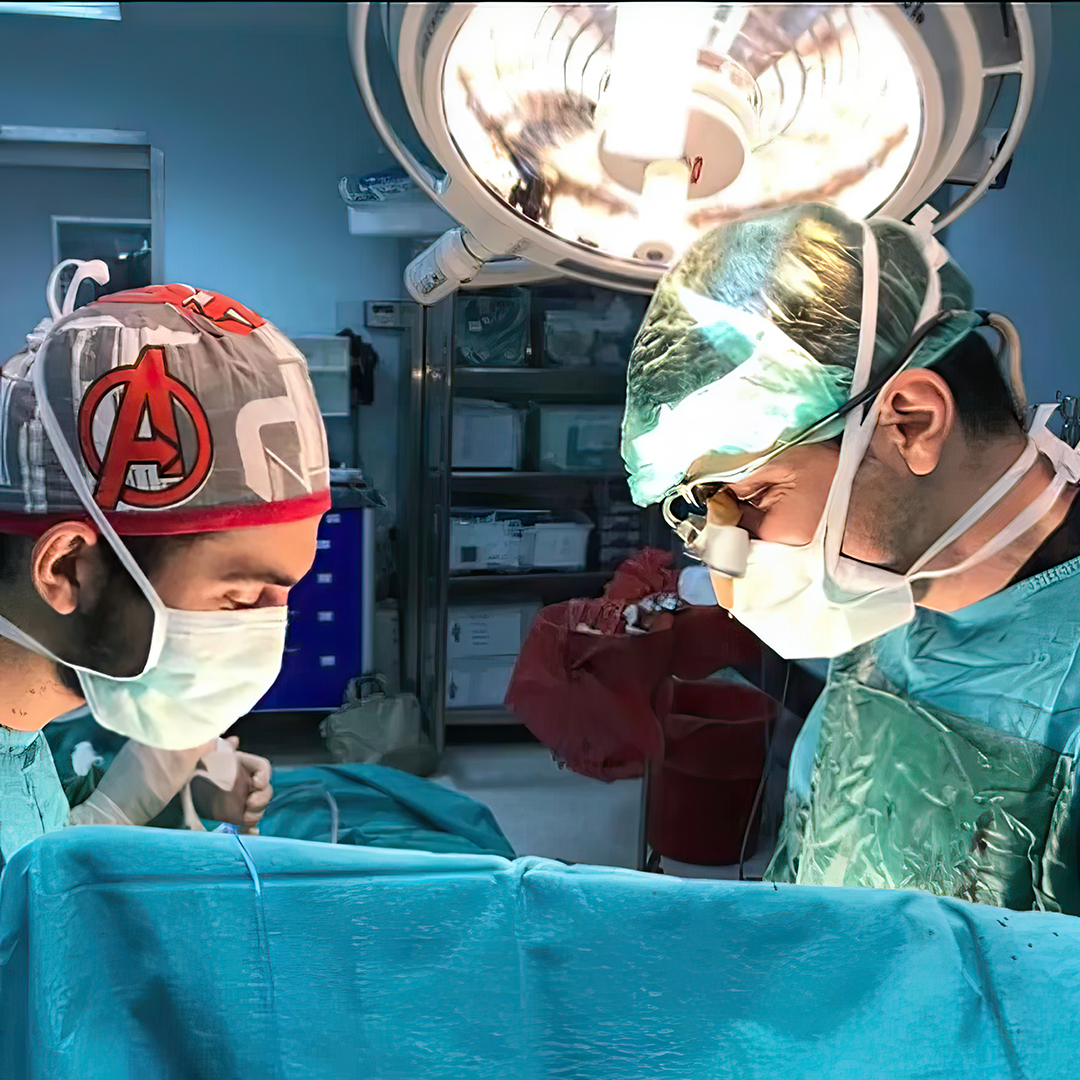



Carotid artery disease is a significant vascular condition that develops as a result of the narrowing or blockage of the carotid arteries, which are the main arteries that carry blood to the brain. This disease occurs due to the narrowing or blockage of the inner part of the arteries caused by plaque buildup.
Since the carotid arteries are important vessels that carry oxygenated blood to the brain and head, blockages in these arteries can lead to serious health problems.
Plaques are usually composed of fat, cholesterol, cellular waste, and other substances, and these plaques accumulate in the artery over time, causing the arteries to narrow. As carotid artery disease progresses, blood flow to the brain decreases, creating a risk of stroke.
If left untreated, this disease can lead to permanent brain damage, paralysis, and even fatal outcomes. Therefore, carotid artery disease is a serious health problem that requires early diagnosis and treatment.
Carotid artery blockage usually develops slowly and does not cause any symptoms at first. Therefore, patients often only notice the symptoms of this disease after it has progressed.
Detecting it early facilitates the treatment process and allows for less invasive treatment options. It is crucial to learn more about carotid artery disease, recognize its symptoms, and understand the treatment options available.
Where is the Carotid Artery?
The carotid artery is located in the large arteries in the head and neck region. There are right and left carotid arteries on both sides. These arteries branch off from the aorta, one of the main arteries originating from the heart, and ascend toward the head.
The carotid arteries run parallel to the neck region on both sides of the head and function as vital vessels that provide blood flow between the brain and the head.
The left carotid artery originates directly from the heart, while the right carotid artery originates from the right subclavian artery and progresses toward the head. These vessels carry oxygenated blood to the brain and are therefore important for brain health. Any narrowing or blockage in these arteries can negatively affect brain function and pose life-threatening risks.
Having basic knowledge about the carotid arteries, also known as the neck arteries, is important for recognizing the symptoms of disease. For more information on this topic, please see our article Where Are the Carotid Arteries Located, What Is Carotid Artery Disease?
Carotid Artery Disease Istanbul
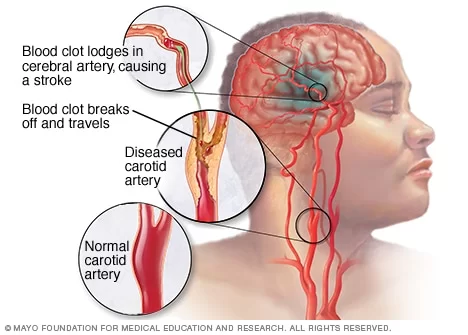
The pulse in the carotid arteries, which start from the aortic arch and run up the neck to the head, can be felt by placing your hands on either side of your neck. The carotid arteries play a crucial role in both the head and neck circulatory systems because they carry oxygen-rich blood from the heart to the head and brain.
Carotid artery disease is the narrowing of the inner wall of the carotid arteries, which are associated with extremely important basic functions in the body, resulting from the development of high-fat deposits called plaques on the inner surface.
Carotid artery disease, also known as carotid stenosis, can cause blood clots to form in the areas where the narrowing occurs, leading to serious and life-threatening consequences.
Blood clots that form in areas affected by carotid stenosis can cause blockages in the region and, if they break off, can block a smaller artery in the brain, leading to a stroke.
This disease can sometimes be associated with diseases of other large vessels, such as the aorta. You can learn about the symptoms of different vascular diseases on our page about Abdominal Aortic Aneurysm Symptoms.
What is Carotid Artery Disease?
Carotid artery disease is a condition characterized by narrowing or blockage in the carotid arteries, which carry blood to the brain and head. The narrowing in the arteries occurs due to plaque buildup inside the vessels. These plaques obstruct normal blood flow and cause the arteries to harden.
Narrowing of the carotid arteries restricts blood flow to the brain, causing oxygen levels in the brain to drop. Oxygen deficiency can lead to serious loss of brain function. The risk of carotid artery disease is an increased risk of stroke (paralysis) due to the accumulation of blockages.
For more information about the vascular blockages that cause this condition, visit our page What Are the Symptoms of Cerebral Vascular Occlusion?
This disease is difficult to detect early because it usually does not cause symptoms. However, as it progresses, the vessels narrow significantly and brain functions begin to be affected.
Treatment is more successful in patients diagnosed early, as the disease causes fewer complications in its early stages. Therefore, awareness of this disease is important. The risk of developing carotid artery disease increases with age, especially due to genetic predisposition or an unhealthy lifestyle.
What Causes Carotid Artery Disease?
The cause of carotid artery disease is atherosclerosis. Atherosclerosis develops as a result of the buildup of cholesterol, fat, and other substances in the walls of the arteries. These substances stick to the inner surface of the arteries, forming plaques, which grow over time. Plaques that accumulate in the carotid arteries cause the arteries to narrow and reduce blood flow.
Many factors contribute to the development of carotid artery disease.
- Genetic predisposition
- Smoking
- Excessive alcohol consumption
- High cholesterol
- Health problems such as high blood pressure and diabetes.
In addition, obesity, a sedentary lifestyle, unhealthy eating habits, stress, and poor environmental factors also increase the risk factors for this disease.
When genetic predisposition and an unhealthy lifestyle combine, plaque buildup in the carotid arteries accelerates and the vessels narrow more quickly. Furthermore, advancing age is also important in the development of this disease, because as we age, our blood vessels lose their elasticity.
Women are at higher risk after menopause because hormones affect vascular health. This disease can be prevented with a healthy lifestyle and regular checkups. Keeping blood pressure and cholesterol levels under control, eating a healthy diet, and exercising can greatly reduce the risk of developing this disease.
If you are wondering about the causes of carotid artery blockage, our content titled “What Causes Carotid Artery Blockage?” provides detailed explanations.
Symptoms of Carotid Artery Blockage
The symptoms of carotid artery blockage usually appear as the arteries narrow and blood flow to the brain decreases. These symptoms vary depending on the severity of the disease and usually become more pronounced over time.
- Insufficient oxygen reaching the brain can cause dizziness. Sudden movements, in particular, can increase the risk of dizziness.
- Blockage in the carotid arteries can cause sudden vision loss, blurred vision, or double vision.
- Due to the blockage, sufficient blood may not reach certain areas of the brain. This can cause problems such as numbness, weakness, or loss of sensation in the face.
- Reduced blood flow to the brain can trigger problems such as difficulty speaking or slurred speech.
- Blockage of the carotid arteries can affect blood flow to other parts of the body. This can lead to sudden loss of strength in the legs or arms.
- Sudden and severe headaches may occur due to insufficient oxygen reaching the brain.
These symptoms usually indicate advanced carotid artery blockage. As the blockage progresses, brain functions may be further affected, leading to more serious health problems.
If someone experiences these symptoms, they should immediately consult a healthcare professional and ensure that the necessary tests are performed.
Narrowing of the carotid arteries can often progress for many years without causing any symptoms.
Therefore, reading our article What Are the Symptoms of Vascular Occlusion? may be helpful for early diagnosis.
How Are Carotid Artery Diseases Diagnosed?
The first step in diagnosing carotid artery disease is to evaluate the patient’s medical history and investigate whether they have had any previous transient ischemic attacks or stroke symptoms.
The patient then undergoes a detailed physical and neurological examination. Carotid ultrasonography, magnetic resonance angiography, carotid angiography, and computed tomography angiography tests may be performed.
How is Carotid Artery Blockage Treated?
Treatment for carotid artery blockage varies depending on the level of blockage and the patient’s overall health. Treatment in the early stages can be performed using less invasive methods, while surgical intervention may be necessary in advanced stages. Treatment methods for carotid artery blockage can generally be listed as follows:
Medical Treatment
In the initial stage, blockages are usually controlled with medication. Blood thinners prevent blood clotting and prevent new blockages from forming in the vessels. Cholesterol-lowering drugs prevent hardening of the arteries and stop blockages from worsening.
Stent Placement
If medication is not sufficient and the blockage has reached a serious level, stent placement in the artery may be considered. A stent works like a small tube that opens the arteries, widening the blockages inside the artery and increasing blood flow.
Surgical Intervention (Endarterectomy)
This surgical procedure, known as carotid endarterectomy, removes plaque from inside the artery. Surgical removal of plaque widens the arteries and restores blood flow to normal levels.
The doctor determines the most appropriate treatment method, taking into account the level of blockage and the patient’s condition. In addition, encouraging patients to make lifestyle changes, exercise regularly, and adopt healthy eating habits has a positive effect on the treatment process.
Is Carotid Artery Surgery Risky?
As with any surgical procedure, carotid artery surgery carries risks. However, modern surgical techniques aim to minimize these risks. Potential risks of surgical intervention for carotid artery blockage include:
- Bleeding may occur during the surgical procedure. Since the arteries are very sensitive, bleeding is an important risk factor that must be controlled.
- Infection may develop in the surgical area, which can negatively affect the treatment process.
- Nerves close to the carotid arteries may be damaged. Nerve damage can lead to problems such as numbness in the face, difficulty speaking, or temporary paralysis.
- Brain functions may temporarily stop, which can lead to brain damage. However, this risk is also generally minimal.
Considering all these risks, surgeons thoroughly evaluate their patients before surgery. At the same time, complications are minimized through the use of advanced technologies during surgery.

Post-Treatment Considerations
In the early period following carotid endarterectomy, the patient may feel tired. It is also normal to experience pain during the first 2 weeks. Hoarseness may also occur.
Activities that may cause strain, such as strenuous exercise and heavy lifting, should be avoided for several weeks following treatment. It is very important not to smoke during the recovery period and to review lifestyle habits.
On the other hand, care should be taken to follow doctor’s recommendations, not to neglect routine doctor check-ups, and to keep cholesterol and blood pressure under control.
Which Department Should You Go to for Neck Artery Blockage?
The department to go to for neck artery blockage treatment is cardiology or vascular surgery. At our clinic, Doc. Dr. Macit Bitargil treats conditions such as carotid artery disease and neck artery blockage, completing the treatment process for patients.
Patients can also consult dietitians and physical therapists for information on lifestyle changes, diet, and exercise.
The treatment of neck artery blockage varies depending on the severity of the blockage. At our clinic, patients are evaluated in detail to determine the appropriate treatment method. The treatment process is planned by considering whether the blockage is progressing and whether it affects brain functions.
Who is at risk for carotid artery stenosis or occlusion?
The factors that increase the risk of carotid artery stenosis or occlusion can be listed as follows:
- Advanced age
- Smoking
- Hypertension
- Diabetes
- Hypercholesterolemia
- Family history of heart and vascular disease
Why is Early Diagnosis and Treatment Important?
Carotid artery disease often does not cause noticeable symptoms until a serious narrowing or clot formation occurs in the artery, leading to acute arterial blockage. Although plaque formation in the carotid arteries can begin in early adulthood, it may take a long time for symptoms to appear. Symptoms may include transient ischemic attacks or strokes.
A transient ischemic attack is a condition that resembles a stroke but is short-lived. In a transient ischemic attack, blood flow to the brain is temporarily interrupted. The symptoms caused by this condition, which lasts for a few minutes, usually disappear within a few hours and the person returns to normal. On the other hand, transient ischemic attacks should be considered a warning sign that a stroke and permanent brain damage may occur.
Symptoms of a transient ischemic attack or stroke include sudden headache with no apparent cause, difficulty speaking, visual impairment, dizziness and loss of balance, difficulty perceiving and understanding, and numbness or sudden weakness on one side of the face, arm, or leg.
Although stroke symptoms develop in the same way as transient ischemic attack symptoms, the consequences can be different and much more serious. There is a risk of permanent brain damage as a result of a stroke. Long-term disabilities such as paralysis, vision and speech problems, and even death can occur.
Early treatment is very important in cases of stroke and paralysis caused by carotid artery disease. If the above symptoms appear, complete recovery is possible if the blocked artery is opened and treatment is administered within 4 hours.
In summary, patients experiencing the symptoms and complaints mentioned above should consult a doctor without delay so that carotid artery disease can be treated more easily and optimal benefit can be obtained from treatment.
Patients with severe narrowing of the carotid artery who refuse to undergo surgery despite being advised to do so and delay surgery will be at risk of stroke.
Frequently Asked Questions About Carotid Artery Disease
What Happens if There is a Narrowing in the Carotid Artery?
The main carotid artery, located on either side of the neck, is called the internal and external carotid arteries. Carotid stenosis causes blood clots to form in the areas where the narrowing occurs, which can lead to serious and life-threatening consequences. Blood clots that form in areas with carotid artery stenosis can cause blockages in the region. If they break off, they can block a smaller artery in the brain and cause a stroke.
What is Carotid Artery Blockage?
The carotid arteries carry oxygen-rich blood from the heart to the head and brain. The carotid arteries, which are associated with extremely important basic functions in the body, can develop a condition called carotid artery disease. This condition occurs when the inner walls of the arteries narrow due to the development of fatty deposits, known as plaques, on the inner walls. While the inner walls of normal and healthy carotid arteries are flexible and smooth, damage to the walls of the carotid arteries can occur for various reasons, potentially leading to carotid artery disease.
Where Does the Carotid Artery Pass?
Carotid arteries are arteries that carry oxygen-rich blood to the front part of the brain. The front part of the brain contains areas that control speech, thinking, personality traits, sensory and motor functions. The pulse can be felt just below the angle of the jawline on both sides of the neck in the carotid arteries. Carotid artery disease, referred to in medical literature as carotid artery stenosis, is usually caused by the accumulation of fatty substances called plaque and cholesterol deposits on the artery walls. Carotid artery stenosis can lead to serious health problems such as an increased risk of stroke.
How is a Carotid Artery Examination Performed?
One of the most commonly used tests in the diagnosis of carotid artery disease is carotid ultrasound. Carotid ultrasound provides information about the structure and severity of the narrowing. If carotid ultrasound is insufficient or severe narrowing is detected, carotid angiography may be performed before intervention. Treatment for carotid artery disease may include lifestyle changes, medication, and medical procedures. The goal of lifestyle changes is to prevent the disease or prevent it from worsening. Some patients may require medication to achieve and maintain control. Surgical treatment or angioplasty may be necessary in serious cases.
What is the Carotid Artery?
The carotid arteries are located on the right and left sides of the neck and are arteries that carry clean blood with a high oxygen content to the brain. Although the inner walls of the carotid arteries are smooth after birth, like other arteries in the body, cholesterol, fat, and calcium accumulate on the inner walls over time. Plaques formed as a result of this process, called atherosclerosis, gradually narrow the arteries. Significant narrowing occurs in the carotid arteries that carry oxygen-rich clean blood to the brain.
Who is Affected by Carotid Artery Stenosis or Blockage?
Carotid artery stenosis is generally known as a disease of older age. The risk of developing it is higher in people over the age of 50. Since carotid artery stenosis is a health problem that develops due to hardening of the arteries, it is more common in people who are at high risk of developing hardening of the arteries due to factors such as advanced age, hypertension, diabetes, and smoking. When carotid artery stenosis caused by atherosclerosis or calcification is mild, it usually does not cause problems. However, if the stenosis exceeds 50% in diameter, the risk of blood clots reaching the brain increases.
What Symptoms Does a Blood Clot in the Brain Cause Due to Carotid Artery Stenosis?
Usually, temporary blurred vision occurs in one eye. This condition is considered an important signal before more serious problems arise. Numbness or weakness in the face or arms, as well as weakness, numbness, and tingling in the arms and legs may occur. Paralysis may develop in the arms and legs. Difficulties in speaking or understanding speech may occur. In most patients, carotid artery stenosis is detected and treated after a stroke. It is important to diagnose and treat this problem before a stroke or similar major issue occurs.
When is Stent or Surgery Treatment Necessary for Carotid Artery Blockages?
If the narrowing of the carotid artery is more than 50% and causes symptoms, or has caused symptoms, it may be necessary to open the artery. The narrowing can be corrected with surgery or a stent can be placed with angiography. In some cases, medication alone is sufficient.
The surgical and stenting procedures used to treat carotid artery stenosis are similar, and both have their own advantages and disadvantages. At this stage, it is important to make the most appropriate decision for each individual patient.
How is a Carotid Artery Stent Implantation Performed?
Carotid artery stenting is generally used when the patient cannot undergo endarterectomy surgery. The purpose of angioplasty and stenting is to widen the narrowed artery from the inside, thereby restoring normal blood flow through the artery. Performed under local anesthesia, the procedure involves inserting a catheter through the femoral artery in the groin and advancing it to the carotid artery. A balloon is inflated at the narrowed section to widen the artery. A catheter with a stent is then advanced to this location. The procedure is completed by placing the stent inside the artery. Over time, the artery tissue grows over the inner surface of the stent.
Result
Carotid artery disease is a serious condition that affects blood flow to the brain. Carotid artery blockage can increase the risk of stroke as it progresses. Early diagnosis and treatment can prevent the disease from advancing and avert health problems.
Medical treatment, stenting, and surgical interventions are treatment options for this disease. Although there are risks, this disease can be controlled with appropriate treatment methods. People who notice symptoms of carotid artery disease should consult a healthcare professional without delay to ensure successful management of the treatment process.
At our clinic, Associate Professor Dr. Macit Bitargil treats carotid artery disease with his experience and expertise, professionally managing the treatment processes of patients. You can contact our clinic for detailed information and to schedule an appointment.