









Mitral valve insufficiency is defined as a condition in which the mitral valves on the left side of the heart do not function properly.
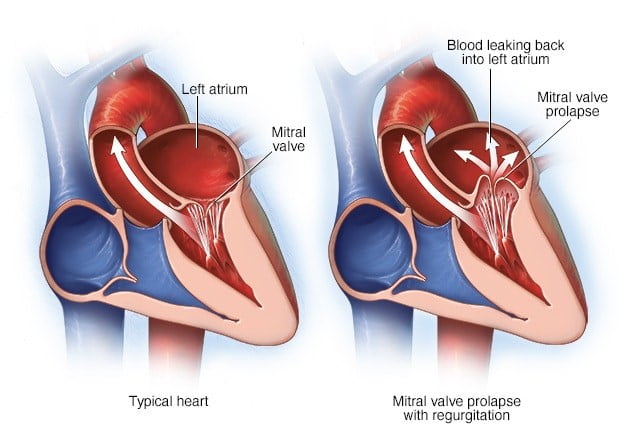
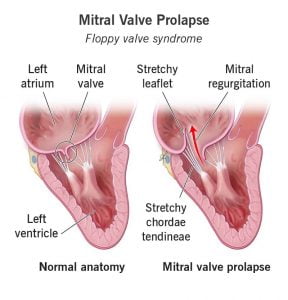
The mitral valve regulates blood flow between the left atrium (upper chamber) and the left ventricle (lower chamber). This valve ensures the heart works efficiently by preventing blood from flowing backward.
However, when mitral valve insufficiency occurs, the valve does not close properly and some blood leaks back. This prevents the heart from pumping blood efficiently and can lead to heart failure over time.
Mitral valve insufficiency usually progresses slowly, and symptoms may be mild at first. Therefore, if the disease is not diagnosed early, it can cause serious problems in the heart.
Mitral valve insufficiency usually occurs for two main reasons: structural abnormalities of the valves and stiffening or thickening of the valves.
In addition, excessive strain on the heart, heart muscle diseases, rheumatic diseases, and certain infections can also lead to mitral valve insufficiency.
If mitral valve diseases are not treated, heart function deteriorates significantly and sufficient oxygenated blood cannot be delivered to the organs.
Early intervention can prevent the disease from progressing and help preserve heart function. This article will cover everything you need to know about mitral valve insufficiency in detail.
What is the Mitral Valve?
The mitral valve is a structure located on the left side of the heart that regulates blood flow between the left atrium and the left ventricle. The mitral valve usually consists of two leaflets, and each leaflet opens and closes during the heartbeat to ensure blood flows in one direction.
- When the valve opens, it allows oxygenated blood from the left atrium to flow into the left ventricle.
- When the valve closes, it prevents blood from flowing backward.
- This ensures the heart works efficiently and oxygenated blood is pumped to the body, providing organs with adequate oxygen.
- The mitral valve is one of the four main valves in the heart and works with the other valves to ensure blood flows correctly within the heart.
If the mitral valve does not function properly, it can cause blood to flow backward (regurgitation), which can negatively affect heart function.
Mitral valve diseases, especially mitral valve insufficiency, are significant among heart diseases. This disease can lead to heart failure over time and cause serious complications.
Where is the Mitral Valve Located?
The mitral valve is located on the left side of the heart. The heart consists of four main chambers: two atria (upper chambers) and two ventricles (lower chambers). The mitral valve is located between the left atrium and the left ventricle and connects these two chambers.
The left atrium carries oxygenated blood from the lungs to the heart, and this blood passes into the left ventricle through the mitral valve. The left ventricle pumps this oxygenated blood to the body.
The mitral valve plays a critical role in the proper functioning of the heart. If the valve does not function properly, the heart cannot pump enough blood, which leads to problems in transporting oxygen to the organs.
Therefore, mitral valve diseases are associated with heart failure and other serious heart diseases. Early diagnosis and treatment of mitral valve diseases can help patients lead a healthy life.
What Are Mitral Valve Diseases?
Heart diseases can be congenital or acquired, meaning they can develop later in life due to various causes. Acquired valve diseases are usually caused by rheumatic fever, which occurs during childhood, or by aging.
In addition, there is a risk of damage to the mitral valve, one of the heart valves, as a result of conditions such as a heart attack.
Symptoms of Mitral Valve Stenosis
Mitral valve stenosis occurs as a result of thickening or stiffening of the mitral valves. This condition makes it difficult for blood to flow from the left atrium to the left ventricle and prevents the left ventricle of the heart from pumping oxygenated blood.
The symptoms of mitral valve stenosis usually develop slowly. Initial symptoms may be mild, but they become more pronounced as the disease progresses over time.
Mitral valve stenosis compromises the heart’s ability to pump oxygenated blood. This can cause shortness of breath, especially during exercise or when lying down. Shortness of breath becomes more pronounced because the left ventricle cannot pump enough blood.
- When the heart does not pump enough blood, oxygen may not reach the body. This can lead to feelings of fatigue and weakness.
- When it becomes difficult for the heart to get oxygen, chest pain (angina) may occur. This pain is usually more pronounced during exercise or after physical activity.
- Impaired heart function can lead to fluid buildup in the body. This can cause swelling in the legs.
- Irregular heart rhythms can cause palpitations. This usually occurs when the heart is under increased strain.
When the heart does not pump enough oxygenated blood, oxygen may not reach the brain. This can cause dizziness or fainting. Although mitral valve stenosis symptoms may not be obvious at first, they can become more severe over time.
Individuals with mitral valve disease are at high risk of developing heart failure.
For more information on this topic, please see our article titled What is Heart Failure?
If you think you are experiencing these symptoms, the correct treatment plan will be made after a detailed examination at our clinic. Early diagnosis is important for managing the disease.
This condition can often lead to symptoms such as heart failure, arrhythmias, and shortness of breath. You can find detailed information in our content on Mitral Valve Insufficiency Symptoms.
Degrees of Mitral Valve Insufficiency
Degrees of mitral valve insufficiency are divided into four different classes. This classification is based on how inefficiently the valve is functioning and how much blood is leaking back.
Grade 1 (Mild)
The mitral valve shows mild insufficiency. Blood regurgitation is minimal, and patients usually do not experience symptoms. Treatment is generally not required at this stage, but regular monitoring is important.
Grade 2 (Moderate)
The mitral valve shows moderate insufficiency. Blood regurgitation is noticeable, but patients can continue their normal activities. Treatment may be necessary, and patients may need regular follow-up.
Grade 3 (Severe)
The mitral valve shows severe insufficiency. Blood regurgitation affects heart function. Patients experience more pronounced symptoms and treatment is necessary. Surgical intervention may be considered.
Grade 4 (Severe)
The mitral valve shows very severe insufficiency. A large portion of blood regurgitates and heart function is seriously impaired. This stage requires urgent treatment and surgical intervention is usually unavoidable.
The degree of mitral valve insufficiency determines the treatment options. While medication and monitoring are usually recommended for patients with Grade 1 and 2 insufficiency, surgical intervention may be necessary for patients with higher grades.
Mitral Valve Insufficiency Treatment Methods
There are several different approaches to treating mitral valve insufficiency. Treatment varies depending on the severity of the disease, the patient’s overall health, and the severity of symptoms.
In cases of mild mitral valve insufficiency, drug therapy can alleviate symptoms and prevent the disease from progressing. Beta blockers, ACE inhibitors, and diuretics can be used to reduce the heart’s workload and ensure more efficient pumping of blood.
- Surgical intervention is necessary in cases of moderate to severe mitral valve insufficiency.
- Mitral valve repair or mitral valve replacement may be performed.
- Mitral valve repair is a surgical procedure performed to ensure proper functioning of the valve.
- If valve repair is not possible, the valve is replaced.
- With advancing technologies, minimally invasive surgical methods are also being used.
- These methods involve surgery with smaller incisions and can speed up the recovery process.
Mitral valve insufficiency treatment is determined according to the course of the disease and is followed up with the necessary planning for all patients at our clinic.
Mitral Valve Repair
Mitral valve repair can be performed to address problems such as mitral valve insufficiency, preserving the structure of the valve and eliminating the need for replacement.
In this procedure, the patient’s own mitral valve remains in place; there is no replacement with an artificial valve. Different methods may be used to repair the damaged parts of the valve.
In surgeries where the structures causing functional loss in the mitral valve are corrected, the heart is stopped using a heart-lung machine.
The mitral valve is accessed, and the damaged parts of the valve are removed, and the remaining tissues are sutured. In addition, the necessary intervention is performed by creating new cords or repairing the leaflets with patches.
A ring is usually placed around the valve, and the surgery is completed. The success of the repair procedure should be verified.
If the repair procedure is insufficient, additional interventions or valve replacement may be required. Within the scope of the surgical procedure, standard incisions made at the front or small incisions made at the side may be performed, depending on the patient.
Mitral Valve Replacement
Mitral valve replacement is considered when mitral valve repair is not possible. In this context, the mitral valve is removed through surgical procedures and replaced with a mechanical or biological valve.
Severe stenosis or severe regurgitation of the heart valves, or in some cases both conditions occurring together, as well as severe calcification of the valve, may necessitate mitral valve replacement.
If a mechanical valve is used in mitral valve replacement, the patient will need to take blood thinners for the rest of their life. Biological valves, such as those from pigs, cows, or humans, are used in biological valve replacement.
If a biological heart valve, also known as a bioprosthesis, is implanted, the patient does not need to take blood thinners. Biological valves may wear out over the years, necessitating reoperation.
Risks of Mitral Valve Surgery
Mitral valve surgery is a procedure that requires cardiac surgery and is usually performed in cases of severe mitral valve disease. However, like any surgical procedure, mitral valve surgery has certain risks.
- There is a risk of infection in the surgical area. If left untreated, infection can lead to serious complications.
- Bleeding may occur during or after surgery. This is usually related to the use of blood-thinning medications.
- Heart rhythm disturbances may occur during mitral valve surgery. Although this is usually temporary, it can sometimes be longer lasting.
- Blood clots may form during or after surgery. This can lead to vascular occlusion and other serious health problems.
Patients must be carefully monitored to manage the risks of mitral valve surgery.

Things to Consider After Mitral Valve Surgery
One of the most important things to consider after mitral valve surgery is that patients take the blood thinners and other medications prescribed by their doctor regularly.
The recovery process is usually complete within 6 to 8 weeks after surgery. Breathing exercises should be performed during the recovery process.
A scar remains from the incision made after surgery. This scar gradually fades during the healing process, depending on factors such as the patient’s skin type.
In addition, care must be taken to prevent possible infection. In cases such as surgical procedures that may be caused by a different disease, the patient must contact their doctor. This will enable the necessary precautions to be taken against a possible infection.
It is very important that the patient does not neglect routine doctor check-ups to monitor their heart and heart valve.
There are some important points that individuals living with heart valve disease should pay attention to in their daily lives. For information on these topics, please visit our page What Should Heart Valve Patients Pay Attention To?
Result
Mitral valve insufficiency is a heart condition that occurs when the mitral valve between the left atrium and left ventricle of the heart does not close completely, causing blood to leak backward. This condition can interfere with the heart’s efficient functioning and eventually lead to heart failure.
In mild cases, patients may not experience any symptoms, while in advanced stages, symptoms such as shortness of breath, palpitations, fatigue, and swelling in the legs may occur.
The disease is usually diagnosed using imaging methods such as echocardiography. The treatment process is determined according to the severity of the disease and the patient’s general health condition.
In mild and moderate cases, symptoms can be controlled with medication. Drugs that regulate blood pressure, reduce the heart’s workload, and prevent arrhythmias are commonly used in this process.
In more advanced cases, surgical intervention may be necessary. Repairing or replacing the valve through open heart surgery is one of the most common methods.
Thanks to minimally invasive techniques developed in recent years, less traumatic procedures can be performed for some patients. Techniques such as TAVI (Transcatheter Aortic Valve Implantation) offer an important alternative, especially for patients who cannot undergo open surgery.
Early diagnosis and proper management of mitral valve insufficiency improve patients’ quality of life and prevent serious complications such as heart failure.
For this reason, the treatment to be administered by Associate Professor Dr. Macit Bitargil at our clinic is of great importance. If you experience any symptoms, you can contact our clinic for more information.


